
April 03 2026 at 02:55PM
From Ideas to Impact: How Design Thinking + AI Powered Student Innovation
 |
 |
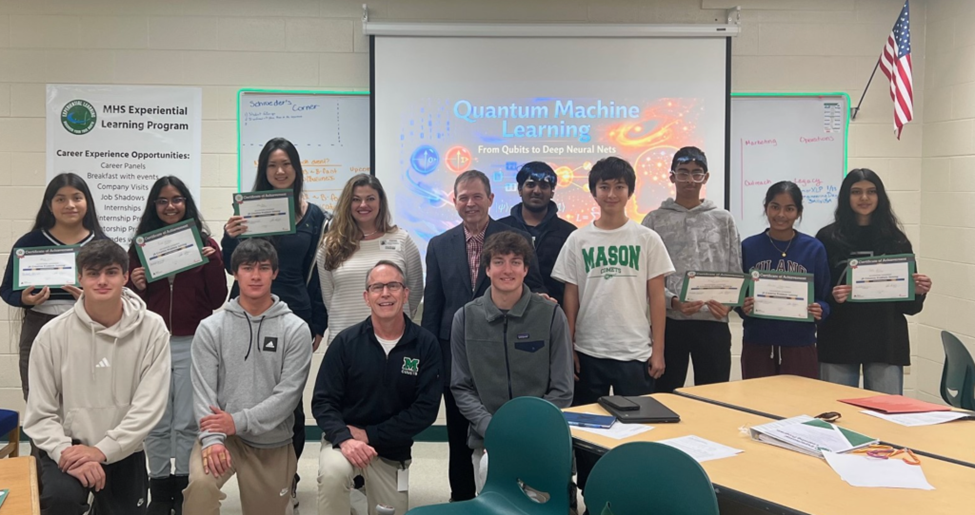
This year, something powerful happened at Junior Achievement in partnership with Project Management Institute.
At Mason High School, a group of students didn’t just learn about innovation—they lived it.
Through a four-part Design Thinking + AI series, students were guided through a hands-on journey: from empathy and problem definition to ideation, prototyping, testing and rapid iteration.. What made this experience different wasn’t just the framework—it was how AI was infused into every stage to accelerate thinking, deepen insights, and bring ideas to life faster.
The result? Real solutions to real problems.
Turning Empathy into Innovation
Each team identified meaningful challenges grounded in lived experiences:
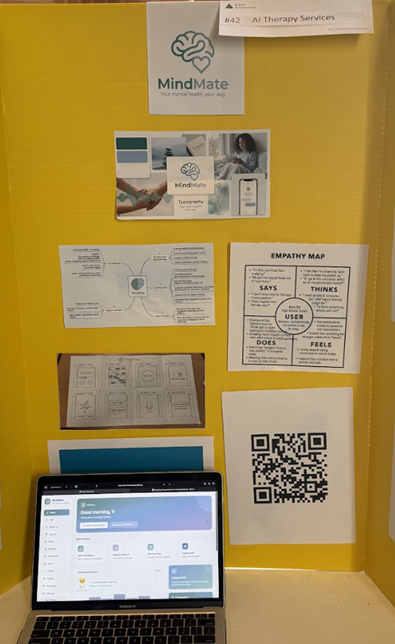
- MindMate tackled teen mental health, creating an AI-powered platform that offers anonymous, personalized support—bridging the gap between silence and help.
- Enable reimagined stress relief through modular, stylish jewelry—making wellness tools both functional and socially seamless.
- 2000 addressed inclusivity and functionality in fashion, blending sustainability with practical design like better sizing and usable pockets.
Across all teams, Design Thinking wasn’t linear—it was iterative, human-centered, and deeply reflective. Students learned to move beyond “cool ideas” and focus on what people actually need.
Where AI Elevated the Process
AI wasn’t treated as a feature—it became a thinking partner.
Students used AI to:
- Analyze patterns and trends
- Rapidly test and refine ideas
- Build more personalized and scalable solutions
- Strengthen business models with data-backed insights
For example, MindMate integrated AI not just for conversation, but for emotional trend tracking, personalized recovery plans, and real-time safety interventions—demonstrating responsible, human-centered AI in action.
From Classroom to Competition
The experience culminated in the Junior Achievement Social Innovation Challenge—where ideas met real-world pressure.
One team rose to the top.
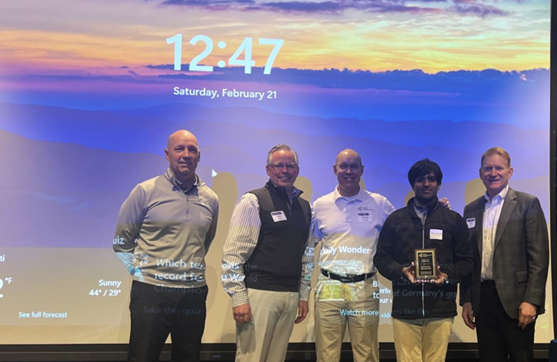
MindMate earned a Top 3 position at the regional level and is now advancing to the national competition.
 |
 |
But the real win goes beyond rankings.
Students walked away with something far more valuable:
- The ability to think critically and creatively
- A deeper understanding of ethical, responsible AI
- Confidence in building solutions that matter
As one student shared:
“Innovation isn’t just about building something impressive—it’s about building something people are actually afraid to ask for.” Varshith, MindMate
The Bigger Takeaway
When you combine human-centered design with AI—and give students the space to explore, build, and reflect—you don’t just teach skills.
You unlock potential.
This collaboration showed what’s possible when education evolves to meet the moment:
- Teaching how to think, not just what to learn
- Using AI to extend human capability, not replace it
- Grounding innovation in empathy, ethics, and real impact
And perhaps most importantly—reminding us that the next generation is more than ready to solve the problems we haven’t yet figured out.
Looking Ahead
This is just the beginning.
As AI continues to reshape how we work and innovate, experiences like this will be critical in preparing students—not just to participate in the future, but to lead it.
If you’re an educator, organization, or leader thinking about how to bring Design Thinking + AI into your environment—now is the time.
Because when students are given the right tools, guidance, and space… they don’t just learn.
They build what’s next.
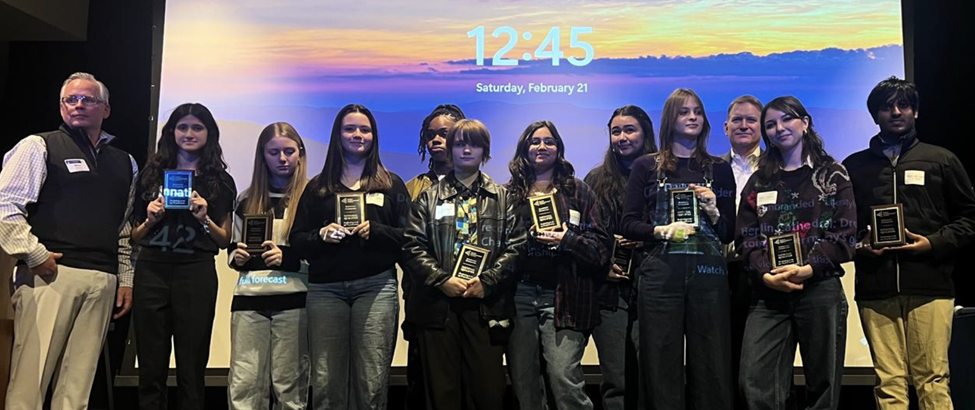
From Insight to Impact: The Teams Behind the Innovation
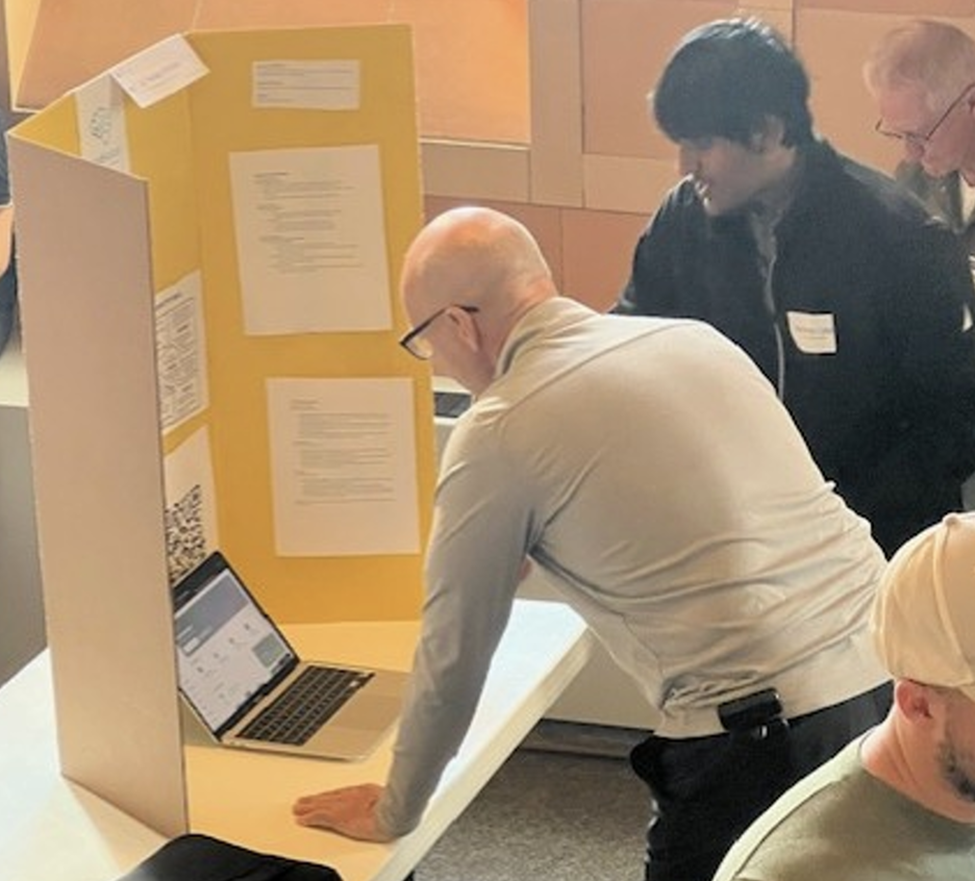
MindMate is an AI-powered mental wellness platform designed to break the “silent suffering” of the 70% of teenagers who face mental health challenges but never ask for help. Created by a student who recognized the gap between clinical resources and teen reality, MindMate provides an anonymous, encrypted, judgment-free space where teens can open up without fear.
The platform integrates AI-guided conversation, daily wellness check-ins, real-time mood trend tracking, guided journaling, personalized self-care plans, and research-backed coping tools like Navy SEAL box breathing into one unified digital support system. Built-in safety measures ensure that high-risk users are immediately redirected to trusted crisis resources, such as the 988 Lifeline.
Rather than replacing professional care, MindMate lowers the barrier to seeking help by meeting teens where they already are on their phones while empowering them with accessible, proactive support before a crisis escalates.
“Technology can feel isolating, but when designed intentionally, it can also be the bridge between silence and support.” - Varshith, MindMate creator
Application of Design Thinking and AI
Using the design thinking framework, the team moved beyond building a standard chatbot and instead created a comprehensive “digital safety net.” The process began with deep empathy for the target user embodied in the “Alex” persona, a high school student hesitant to seek traditional counseling due to stigma, fear of exposure, or concerns about a permanent record. That insight shaped the foundation of the platform: anonymity and end-to-end data encryption were not add-ons, but core design principles.
Through research and peer observation, the team defined the real problem: teens were already trying to support themselves using disconnected tools like: AI chatbots, journaling apps, random internet searches, but lacked a unified, secure space built specifically for their emotional reality.
AI was therefore leveraged not just as a conversational interface, but as an analytical engine that could:
- Track emotional trends over time
- Generate personalized “Burnout Recovery” plans
- Identify high-risk language patterns through a built-in “Safety Shield”
Trigger automated crisis intervention pathways that immediately bridge users to professional lifelines like the 988 Crisis Line
By integrating AI in this way, the platform enhances personalization, scalability, and safety while staying grounded in human-centered design principles.
Business Model & Scalability
MindMate operates on a hybrid model:
- Freemium B2C Application: Core wellness tools remain free, with optional premium features such as advanced analytics and extended self-care programming.
- B2B School Partnerships: Schools license an aggregated Wellness Dashboard that provides anonymized trend data without exposing individual student messages, preserving privacy while enabling institutional support.
This dual structure allows for both accessibility and long-term sustainability.
Key Takeaways
“I realized that innovation isn’t just about building something impressive, it’s about building something people are actually afraid to ask for.” - Varshith, MindMate creator
Through this project, the team gained a deeper understanding of ethical AI design, user-centered innovation, and the responsibility that comes with building technology in sensitive spaces such as mental health.
The Design Thinking + AI course, led by Ms. Michelle and Mr. Lively, was instrumental in turning MindMate from an initial idea into a thoughtful, purpose-driven solution. They walked us through each stage of the design thinking process, how to empathize deeply, and define the real problem. Through their guidance, we learned how to integrate AI intentionally, not just as a technical feature, but as a tool that could also enhance personalization. More importantly, the course opened our eyes to how critical AI has become across industries and helped us recognize that mental health is an area where responsible, human-centered AI can truly make a difference.
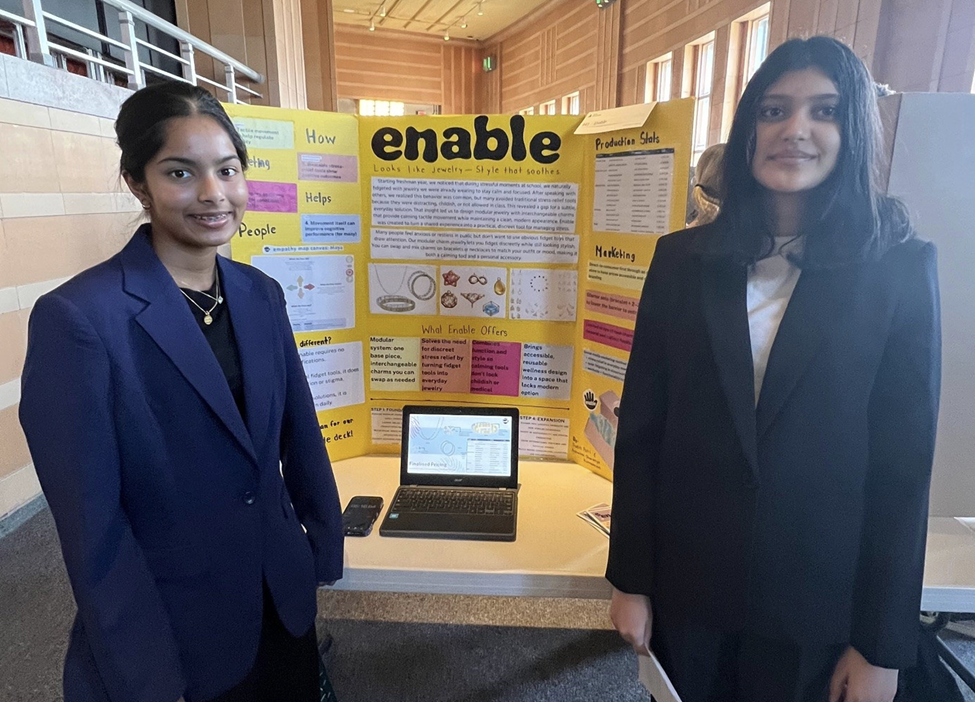
Enable is a modular jewelry system designed to provide discreet, stylish stress relief for students and professionals. By reimagining traditional fidget tools as high-end, interchangeable accessories, the team created a solution that regulates anxiety through tactile movement without the social stigma or distractions of "childish" sensory toys.
Applying Design Thinking + AI
The team utilized the Design Thinking framework to move from simple observation to a viable business model. By developing an "Empathy Map" for their primary persona, Maya, they identified a gap in the market for wellness tools that lack a "medical" aesthetic. Integrating AI tools allowed the team to rapidly iterate on production stats and cost analysis, helping them transition from a conceptual "Foundation" phase into a scalable "Growth" strategy that includes bulk manufacturing and lifestyle expansion.
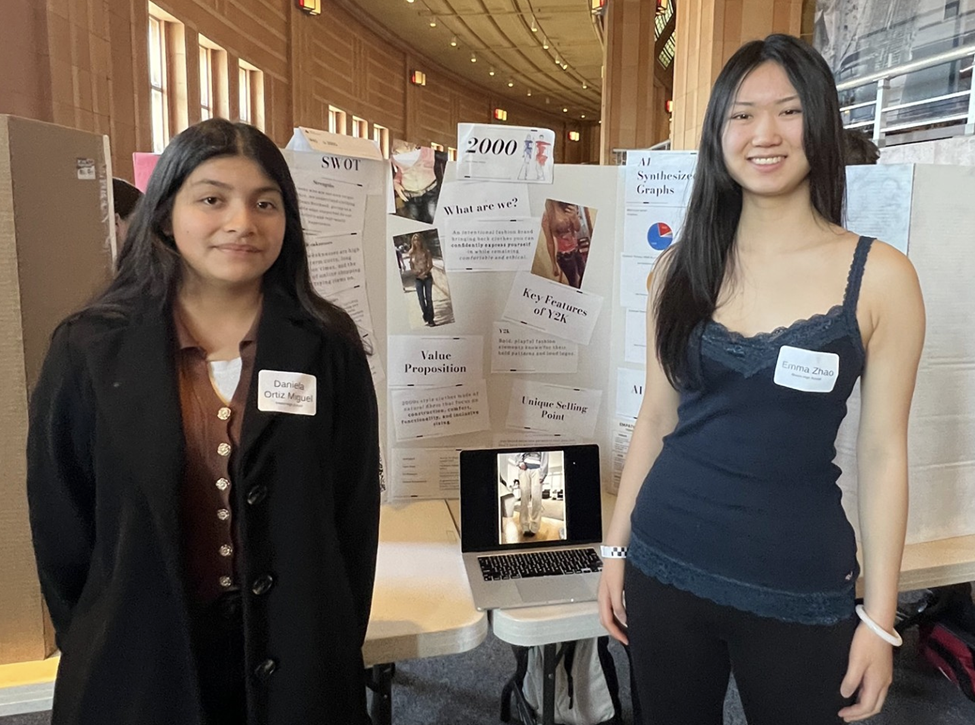
2000 is a stylish, ethical clothing brand dedicated to solving the persistent lack of functionality and inclusivity in modern fashion. By merging popular Y2K aesthetics with sustainable practices, the team developed a line of high-quality apparel featuring functional "bigger pockets" and specialized sizing (Petite and Tall) to address the 75% of women who struggle to find clothing that fits both their body and their lifestyle.
Applying Design Thinking + AI
The team utilized Design Thinking to transform market frustrations into a data-backed business strategy. Through extensive survey research, they validated a massive demand for eco-friendly claims among two-thirds of Americans, leading them to source high-quality materials like French Terry Cotton. By applying AI-driven market analysis, the team calculated a sophisticated TAM/SAM/SOM model within a $298 billion market, allowing them to pinpoint a specific $91 billion opportunity among Gen Z and Millennial women.
Key Takeaways & Lessons
“The process for building things can be non-linear and open up new pathways for different lines of thought. For a process as involved as starting a business and creating a new product category, the design thinking process brought us to unique conclusions we feel confident in.” - Emma Zhao, 2000 co-creator